Community Justice Initiatives
Community Justice Initiatives (CJI) is a non-profit organization known world-wide for starting the first Restorative Justice program involved with the criminal legal system. Restorative Justice offers an approach to addressing conflict, crime and harm that brings together those who have caused harm, those affected by it, and the broader community to collaboratively seek healing, understanding, and meaningful accountability. RJ prioritizes the recognition of needs, accountability, the repair of harm, and — whenever possible — restorative relationships. Rather than being a one size fits all model, RJ is a flexible framework grounded in principles and practices that guide individuals and communities toward transformation in themselves, others, and the systems and contexts in which we live. CJI provides conflict resolution services, support for people impacted by sexual
trauma, assistance for families involved with child protection, reintegration support for adults returning to the community from
prison, connection support for older adults and co-housing support.
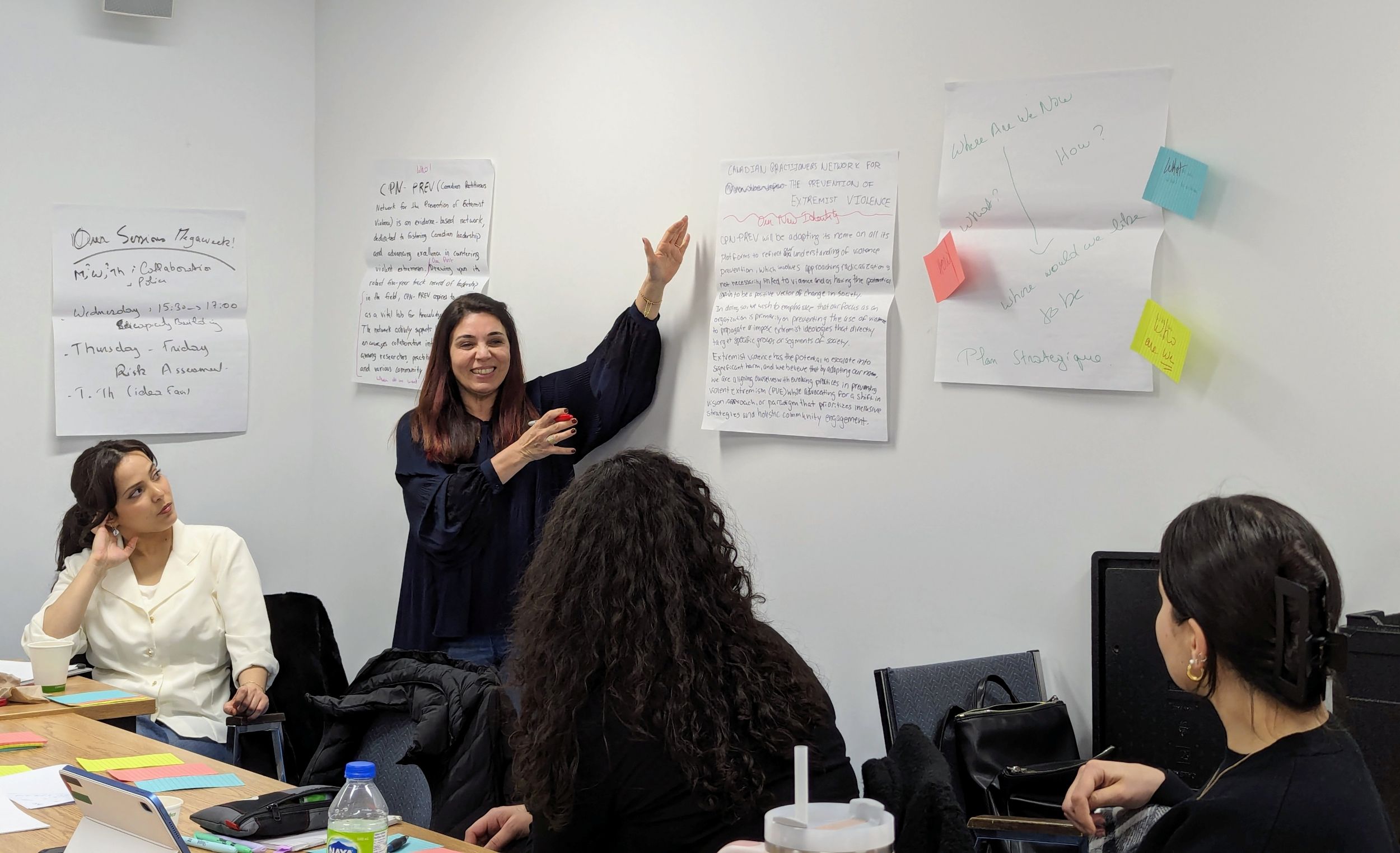
CPN PREV
The Canadian Practitioners Network for the Prevention of Extremist Violence (CPN-PREV) is an evidence-based and practitioner-centered network committed to preventing violent extremism. We aim to strengthen capacities, support best practices, and encourage collaborative interdisciplinarity among researchers, practitioners, policymakers, and various community actors. CPN-PREV supports best practices and collaborations in the PVE sphere, through sustained knowledge mobilization between researchers, practitioners, policymakers, and various community sectors. CPN-PREV is the first and only Canadian practice network and has inspired other similar networks abroad, namely the prevention network in the USA. CPN-PREV helps inform and refine Canada-specific secondary and tertiary prevention strategies, leveraging its experience by fostering cross-sector collaboration and improving capacity building and support for practitioners.

Centre for Trauma Informed Practices
CTIP Helps Organizations Overcome Trauma:
We’re on a mission to help our partners more effectively prevent, intervene, and respond to crises, violence, and conflict through trauma-informed practices.
When an act of violence impacts a community, when disaster strikes a region, when a crisis arises in an organization, these circumstances do not occur as a “moment in time” only, but overlay already existing relationship systems. Some were more emotionally healthy before the tragedy and others were less healthy. If professionals and leaders do not understand how trauma can affect individuals and entire human systems, then their responses tend to be either non-existent or limited to managing the “fallout” today with the hope that “time heals all wounds.” CTIP offers specialized training, technology, and resources that aim to help agencies, systems, and professionals better comprehend and address trauma & violence in their communities through evidence-informed and trauma-informed approaches.

Muflehun
Muflehun leverages data analytics and insights from on-the-ground implementation to shape strategies, inform policymaking, and support systemic change across all levels of governance. Through targeted capacity building, Muflehun empowers government officials, community leaders, and emerging influencers to drive sustainable transformation. Its work emphasizes the development of effective, scalable solutions for public engagement—harnessing the power of narratives and storytelling to shift perceptions and build social resilience. The Community Resilience Early Warning System (CREWS) is a data-driven innovation program designed to prevent violence through a public health–informed approach. CREWS supports municipalities in building resilience by identifying and prioritizing socio-ecological risk and protective factors, guiding the development of localized prevention strategies, and aligning local and federal resources toward effective primary prevention programs. This evidence-based model not only informs government policy and decisions but also safeguards privacy, civil rights, and civil liberties at every step.
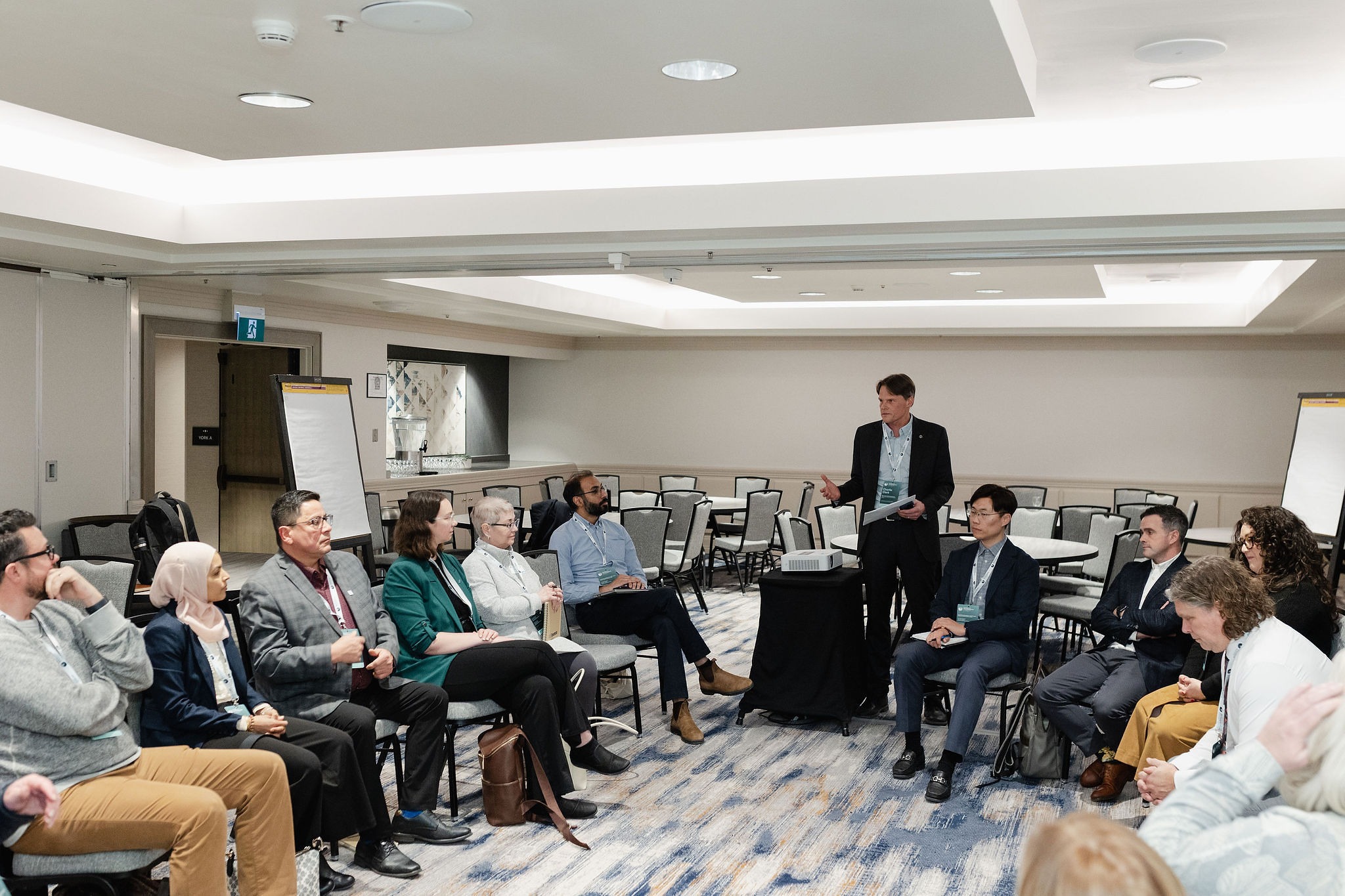
Strong Cities Network
Hosted by the Institute for Strategic Dialogue, Strong Cities is a global, independent, apolitical network of 270+ cities across 70 counties dedicated to enhancing city-led efforts to prevent hate and polarization and promote social cohesion. Launched in 2015, Strong Cities specializes in bringing mayors, other city leaders, and municipal practitioners together on city-city, national, regional and global scales. Strong Cities provides them with a platform to learn from one another on whole-of-city approaches to safeguarding communities against hate, extremism and other types of harm – both on- and offline.
Strong Cities facilitates training, knowledge exchange, and collaboration among and develops bespoke tools and other resources for municipal leaders and practitioners, promoting a human rights-based prevention approach. Strong Cities currently has 10 member cities in Canada and is actively expanding its Canadian presence through two new projects in Canada. These projects will build on past and upcoming activities that have engaged elected local leaders and municipal officials in cities like Montreal, Victoria, Edmonton, and Brampton. Toronto has committed to hosting Strong Cities sixth global summit in December 2025.

YouTurn Youth Support Services
Youturn Youth Support Services is a non-profit, client-centered service provider specializing in developing individualized service plans for vulnerable youth. Based in Ottawa, Youturn regularly engages a broad spectrum of youth (including radicalized youth) requiring integrated service linkages that result in smooth transitions of care between different types (and jurisdictions) of service provider. Youturn has developed experience in supporting multi-sector collaboration in prevention, intervention and response to crisis involving youth affected by hate and ideologically motivated violence. Youturn has developed strong alliances to support collaborative efforts in various parts of Canada.
Youturn engages multiple sectors in creating individualized service plans to ensure smooth transitions of care for vulnerable youth. They have significant experience supporting implementation of the Vulnerability Reduction Protocol in various parts of Canada and have recently worked to develop, test, and pilot multi-agency models for collaboration on upstream prevention and strengthening protective factors against radicalization to violence. Youturn strengthens youth-focused prevention and intervention strategies within the project, addressing radicalization risks and promoting long-term support.