
Chatham-Kent
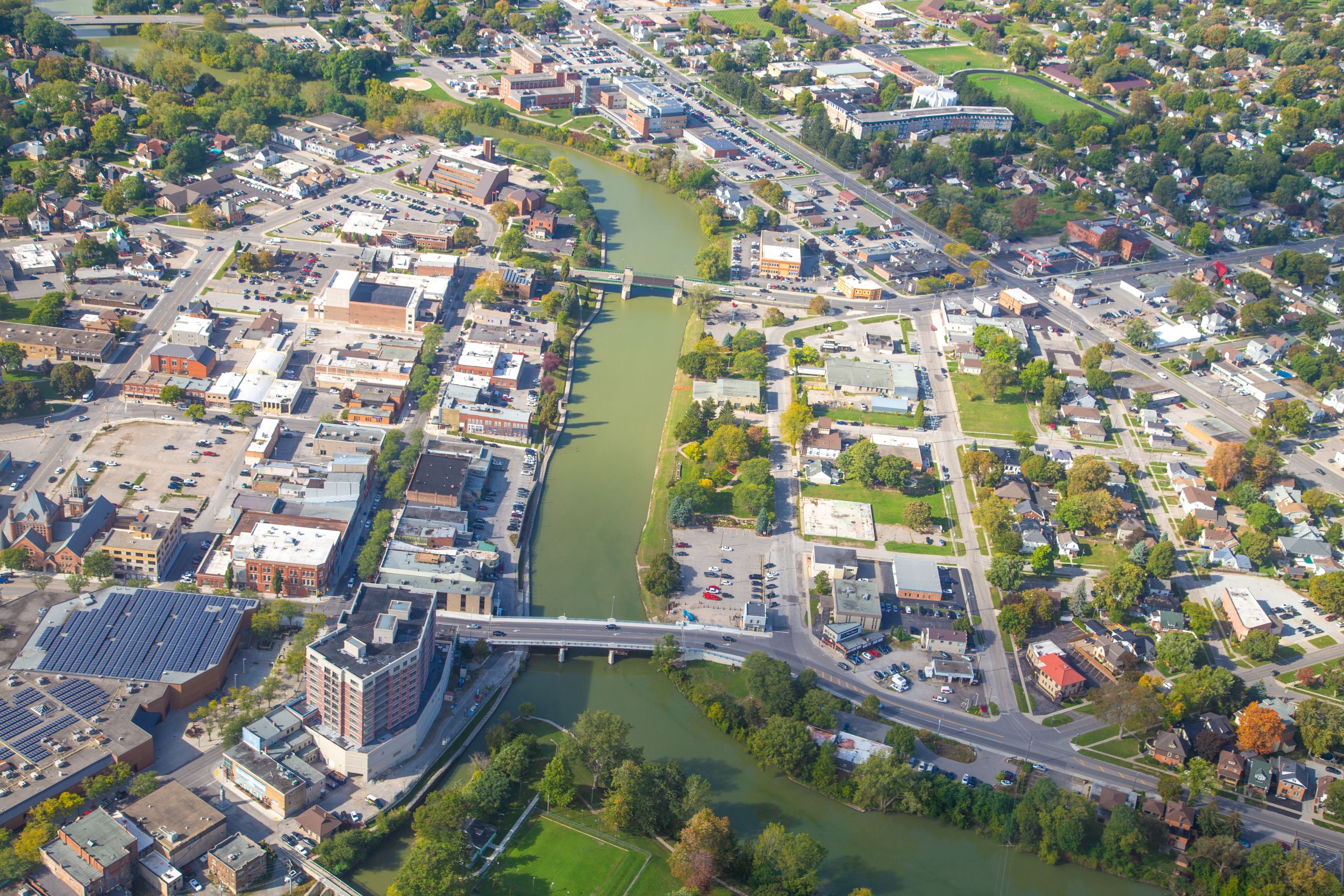
Chatham-Kent is a single-tier municipality in Southwestern Ontario with a population of just over 111,000, spread across 23 unique communities. Our population is aging, with nearly one in four residents over the age of 65, and we are experiencing demographic shifts that include a growing newcomer community. Spanning 2,500 square kilometers—equivalent to the size of Prince Edward Island—Chatham-Kent is nestled between Lake Erie and Lake St. Clair. Known for its agricultural strength and manufacturing base, the region offers a high quality of life with rural charm and urban amenities.
However, like many communities, Chatham-Kent faces complex social challenges including a rising cost of living, lower incomes than the provincial average, and increasing rates of mental health and substance use issues. Crime trends in the region show concerns around property crime and drug-related offenses. These realities underscore the need for proactive, collaborative approaches to community safety and well-being.
Our motivation to apply to Project UPSTREAM is rooted in a commitment to address the structural drivers of harm, such as inequality, marginalization, and social polarization, before they escalate into crises. Chatham-Kent has a strong foundation of multisector partnerships and programs, but we recognize the need to move further upstream.
Through this project, our goals are to:
- Strengthen our capacity to collaborate across sectors
- Build on existing protective factors
- Design evidence-informed strategies to counter polarization and hate
- Invest in primary prevention initiatives that promote dignity, safety, and well-being.
We are committed to this work as a critical step in ensuring our community remains a welcoming and safe place for all.

City of Colwood
Colwood is a fast growing, family-friendly seaside community on the ancestral lands of the Lekwungen speaking people with breathtaking oceanfront, beautiful forests, parks, and trails, and big plans!
Just 15 minutes from downtown Victoria, Colwood is part of the Greater Victoria area, a region characterized by high mobility among residents across 12 municipalities, with three school districts, and further supported by a regional government. This interconnected environment presents both opportunities and challenges.
Recently, the City of Colwood launched Canada’s first municipal health care model, hiring physicians with the goal of offering every resident access to a family doctor. “Local governments are uniquely positioned to influence health outcomes through planning, recreation, and active living”, says Mayor Kobayashi.
Continuing a path of leadership and innovation, the City of Colwood is pleased to advance Project UPSTREAM. Addressing the interconnected and complex social issues rising across the province, country, and globe requires a collaborative approach. Project UPSTREAM offers a unique opportunity to work across sectors, use local data, engage community, share knowledge, build capacity, and support local needs to advance safety, health, and well-being for all citizens.

City of Edmonton
Who We Are
We are proud to call Edmonton (Amiskwacîwâskahikan) home. Located on Treaty 6 Territory, we are a city defined by a unique contradiction: we have the amenities of a metropolis, but the heart of a small town. With more than 1.2 million residents, we are one of Canada’s youngest and fastest-growing cities. We are known as Festival City because for 50 weeks of the year, our citizens are gathering, whether at the largest Fringe Theatre Festival in North America or deep in the snowy river valley for the Flying Canoë Volant. We are also the only Canadian city with a Community League system, a network of more than 160 volunteer-run neighbourhood associations that has kept our small town connection alive for more than 100 years. Our identity is grounded in rolling up our sleeves. We are a city of builders, volunteers, and neighbours who look out for one another. But despite this deep resilience, we are not immune to the crises fracturing urban centres across the world.
Why We Joined UPSTREAM
The City of Edmonton joined UPSTREAM because, despite our strong community spirit, we are reaching the limits of what we can solve alone.
Edmontonians have been clear they want systems that treat people with care and respect. Recent engagement with nearly 800 2SLGBTQIA+ residents showed that reporting hate and discrimination can still feel confusing or unsafe. Newcomers, racialized residents, faith communities, and youth have shared similar experiences when trying to seek support.
UPSTREAM gives us space to learn with other cities, to explore what strengthens trust, and to understand how we can support the relationships that make communities strong. Edmonton brings strong community networks, deep partnerships, and a history of neighbour-driven problem solving. We want to build on that foundation with shared learning and fresh ideas that help us respond early, consistently, and collaboratively.
Our goal is to help create a city where residents feel welcomed, supported, and safe. Through UPSTREAM, Edmonton aims to strengthen reporting and response processes, improve cross-sector readiness to prevent identity-based harm, and support community led solutions that build belonging.
Prevention often begins in small, everyday moments. It looks like a neighbour who checks in. A youth who feels seen at school. A newcomer who finds a space where they can relax. A community gathering that brings people together across cultures and languages. These simple moments shape the kind of city people want to live in.
Our Current Work
We are hitting the ground running. Our participation in UPSTREAM stands on the shoulders of strong local initiatives already in motion including:
- Community Safety and Well-being Strategy, guiding Edmonton’s long-term approach to strengthening the social conditions that shape safety
- Indigenous Framework, supporting respectful, reciprocal relationships with Indigenous Peoples and grounding work in shared accountability
- Blueprint for Violence Prevention, approaching violence as a preventable public health issue
- Beyond Belonging: 2SLGBTQIA+ Safe Spaces Action Plan, improving safety, visibility, and inclusion for 2SLGBTQIA+ residents
- Migrant Action Plan, strengthening access, inclusion, and civic participation for newcomers
- Neighbourhood Empowerment Team, bringing partners together to support neighbourhood-driven safety solutions
- Affordable Housing and Homelessness and the Housing Action Team, helping ensure that all Edmontonians can find the housing they need in the neighbourhoods they love.
Edmonton is a city that believes in its people. UPSTREAM is one more avenue through which we are strengthening connection, building trust, and helping residents feel safe, welcomed, and at home. Because at its heart, Edmonton succeeds when its people do.
City of Regina
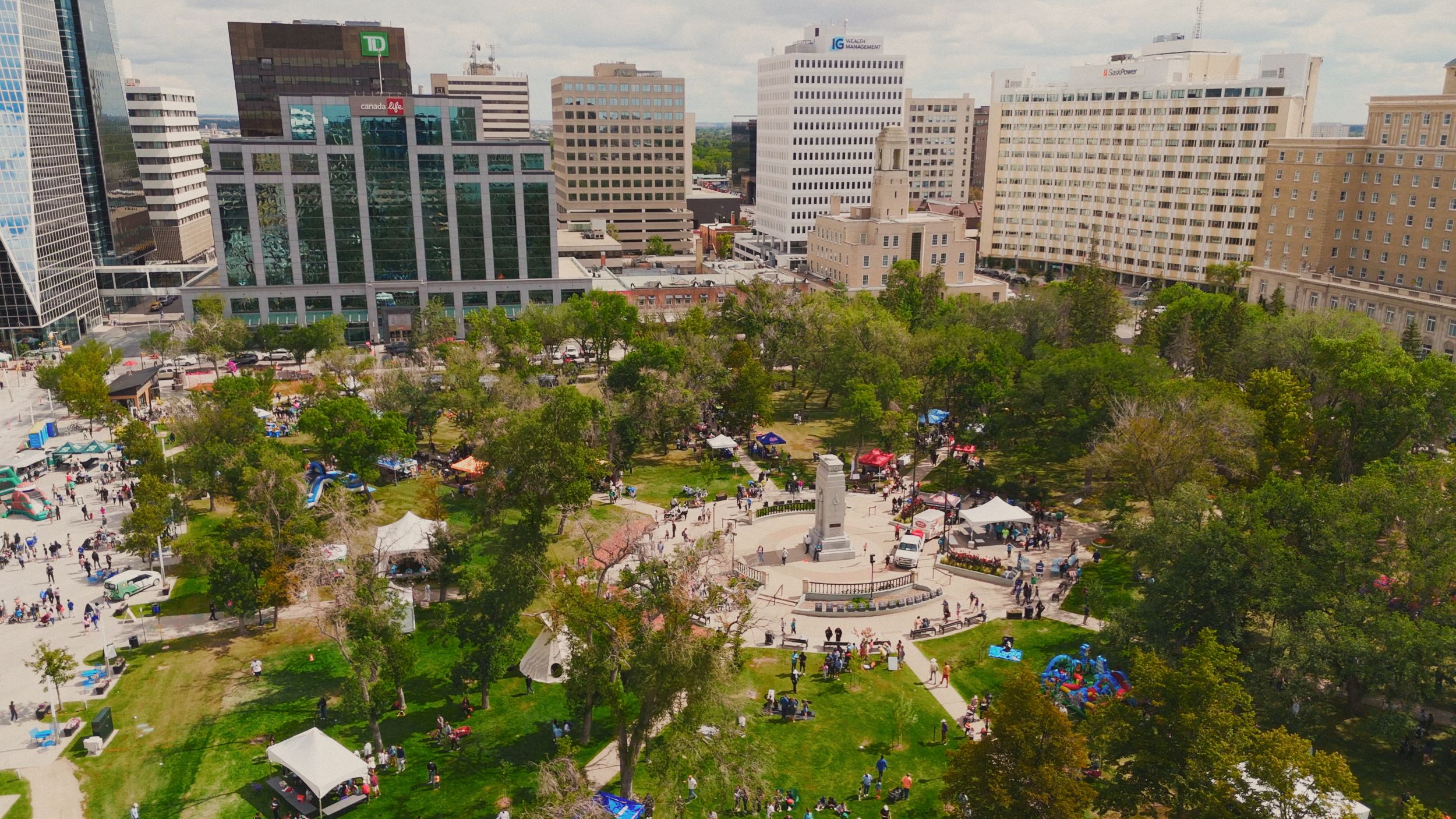
The City of Regina has a successful history of collaborative approaches to complex human service issues. The development of the city’s Community Safety and Well Being Plan in 2021 has assisted in grounding the community’s collective commitment. The process of developing the Plan secured a renewed understanding of community pressure points and has helped activate a go-forward path. Like many Canadian communities, Regina’s in-depth consultations have continued to highlight many dimensions of risk and vulnerability facing individuals and families.
We recognize that early intervention and prevention is fundamental. TRiP, The Regina intersectoral Partnership (established in 2009), has successfully proven that a collaborative, multi sectoral framework that focuses on risk and vulnerability, utilizing a shared service delivery approach with young people and their families, generates positive impacts. In 2023, TRiP established a partnership with Ottawa Youturn and Living Skies Centre for Social Inquiry to pilot resources that allow service providers to identify and pursue upstream opportunities to prevent vulnerabilities towards risk of violent extremism among youth. This experience has inspired our partner organizations to expand capacity for further prevention.
Given the foundation and work of the City of Regina through the CSWB Plan, along with TRiP’s collaborative early intervention and prevention framework, it is a natural progression to blend these learnings and garner further support through the UPSTREAM Project. The culmination of this history has positioned Regina partners to explore contributions from the UPSTREAM Project that are designed to build community confidence, capacity and opportunity to prevent pathways to social polarization, hate, and ideologically-motivated violence in Regina.
More to come.
Kent Region
Kent is a rural and culturally diverse region in southeastern New Brunswick, located on the traditional territory of Mi’gma’ki. It is home to about 32,000 residents, including Mi’kmaq communities, Acadian Francophones, Anglophones, and a growing number of newcomers. Its low population density and wide geography create challenges in service access, transportation, socioeconomic vulnerability, and newcomer integration. Despite this, Kent is known for its strong community spirit and collaborative networks. Our participation in the UPSTREAM project reflects our commitment to strengthening multi-sector collaboration, deepening our understanding of local risk factors, supporting newcomer integration, and developing prevention-focused strategies tailored to a rural and diverse region.
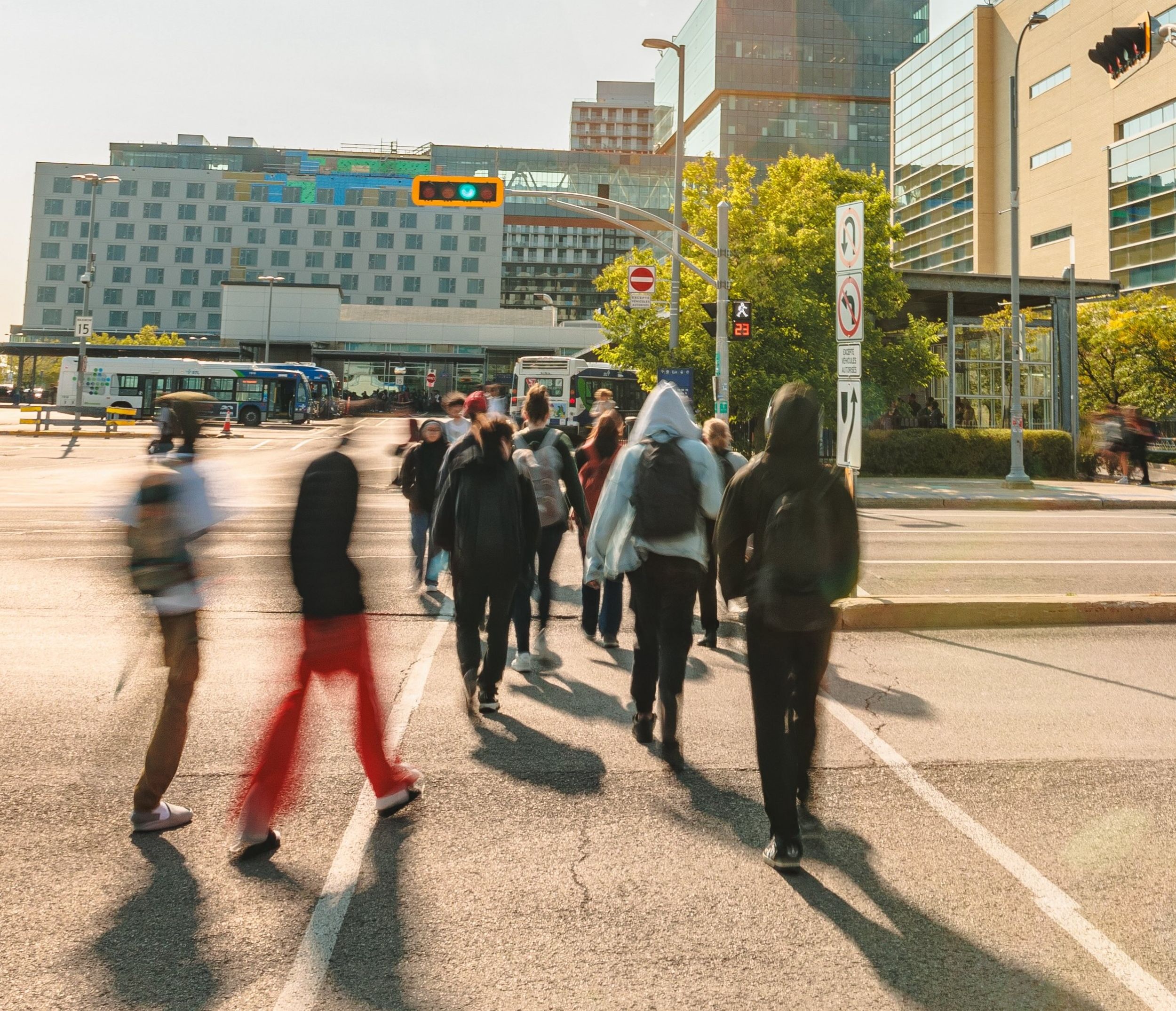
Photo Credit: Simon Laroche
Laval
With a population of over 400,000, Laval is the third largest city in the province of Quebec. It is also one of the regions with the highest population growth.
Laval strives to be welcoming, open, respectful of all, and committed to including citizens in the city’s development, as demonstrated by the values promoted in the Strategic Vision – Laval 2035: Urban by Nature. The various actions it is taking are aimed at harmoniously coordinating the efforts of its partners to promote the social and cultural inclusion of all its residents.
The city strikes a balance between green spaces, commercial areas, and residential neighborhoods. Constantly evolving, Laval is dynamic and located at the intersection of major highways. With its strategic geographic location and extensive public transportation network, this region is easily accessible and serves as a hub between Montreal and the Laurentians.
Thanks to its college and various university pavilions, Laval is one of the Quebec cities that offers a comprehensive education system. Its education, recreation, transportation, and health infrastructures are constantly adapted to the changing needs of citizens and families. The city definitely have a good balance between quality of life and the welcome given to major development projects.
In June 2024, the City of Laval adopted the 2024-2034 Strategic Plan for Public Safety and Well-Being, establishing a coordinated vision and bringing about desired changes in response to the challenges of juvenile delinquency and urban violence in the area. This plan is the result of the commitment of all institutional and community partners and various municipal departments that wish to jointly offer a comprehensive and essential response to achieve lasting effects on issues affecting 12- to 35-year-olds. This is an intersectoral and multi-network plan based on collaboration between regional stakeholders, respecting each person’s expertise and abilities.
By working together, we will achieve what no single organization can accomplish on its own and have a significant impact on juvenile delinquency and urban violence.
Mount Pearl
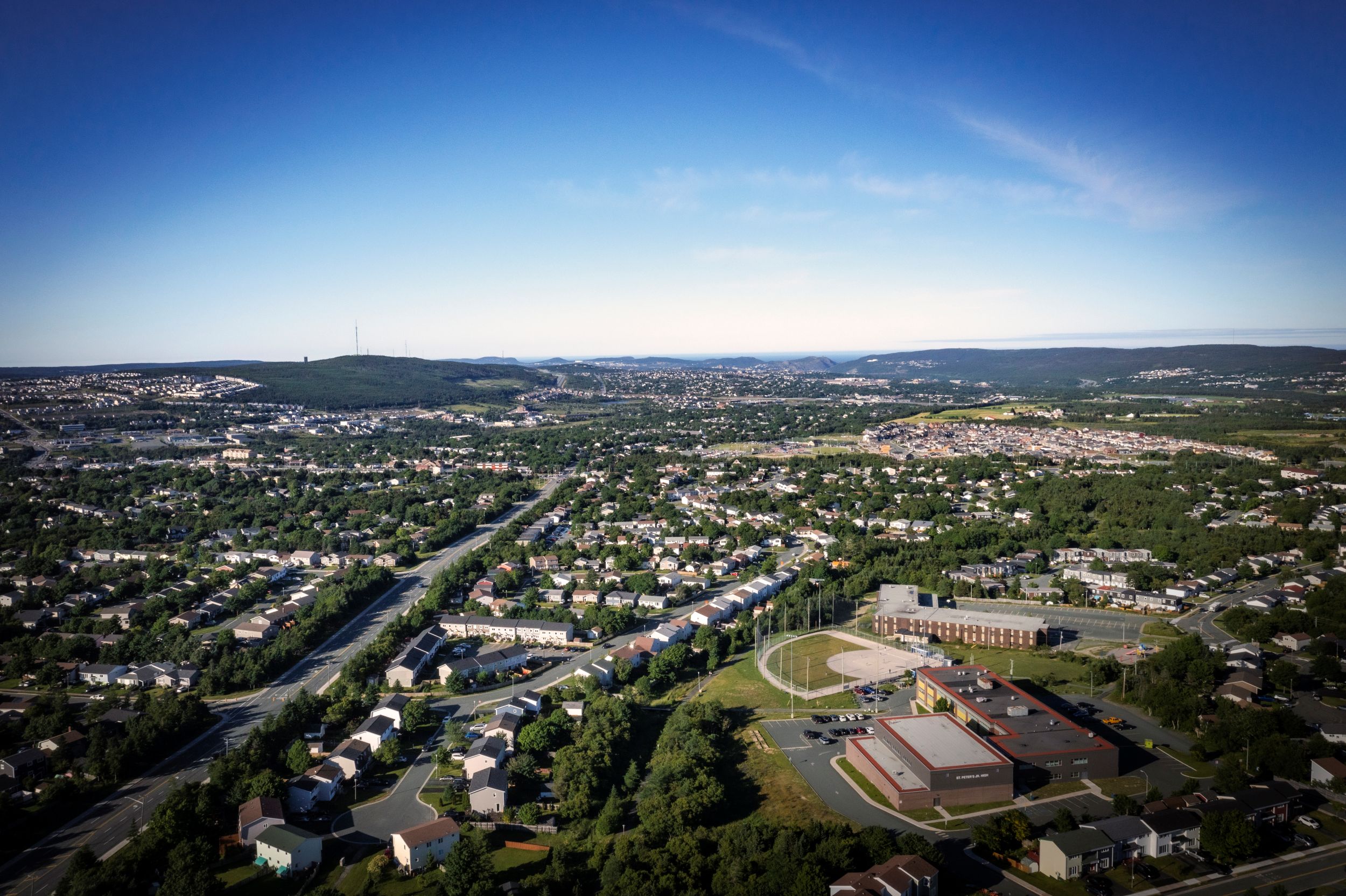
Mount Pearl is a vibrant, close-knit city recognized for its strong sense of community, welcoming neighbourhoods, and commitment to enhancing residents’ quality of life. As one of Newfoundland and Labrador’s most active municipalities, Mount Pearl prides itself on being family-oriented, safe, and deeply connected. Home to approximately 23,000 people, the city blends long-time residents with newer families, creating a growing diversity that enriches community life. Residents value accessibility, recreation, volunteerism, and opportunities to help shape the city’s future.
Mount Pearl’s demographic profile includes stable family structures, an engaged aging population, and a strong base of youth and young adults connected through schools, recreation programs, and community organizations. Its compact geography fosters belonging and neighbourliness, allowing residents to feel supported and invested in local well-being.
Why Mount Pearl Joined the UPSTREAM Project
Mount Pearl’s decision to join the UPSTREAM Project through the Canadian Centre for Safer Communities reflects its commitment to community safety and well-being. As the city advances its Community Safety and Well-Being (CSWB) Plan, the UPSTREAM initiative provides an opportunity to build momentum, strengthen partnerships, and apply a prevention-focused lens to issues such as polarization, hate, and violent extremism.
Participation in UPSTREAM allows Mount Pearl to prioritize early intervention and protective factors that support an inclusive, resilient community. The initiative also aligns with the city’s goal of planning programs and services with long-term impacts in mind, particularly those related to social cohesion, equity, and community resilience.
Collaboration and Community Voice
Mount Pearl values collaboration with the Canadian Centre for Safer Communities and project partners. The city recognizes the importance of including diverse voices, especially equity-deserving groups, youth, and individuals with lived experience. Through this project, Mount Pearl aims to strengthen existing partnerships and build new ones with youth-serving organizations, schools, non-profits, and frontline support services.
This collaborative approach ensures strategies remain grounded in community realities and reflect Mount Pearl’s diverse needs and strengths.
Expectations and Long-Term Vision
Through UPSTREAM, Mount Pearl seeks to:
- Integrate long-term considerations around polarization, hate, and violent extremism into local planning and services.
- Foster inclusion, belonging, and safety for equity-deserving groups.
- Strengthen relationships with schools, non-profits, and community service providers.
- Build capacity among local organizations to identify and address early risk factors.
- Support a future where residents feel connected, valued, and empowered to contribute to a thriving, resilient city.
Mount Pearl’s participation in the UPSTREAM Project underscores its dedication to creating a community where all residents feel safe, supported, and included.

Norway House Cree Nation
Norway House Cree Nation (NHCN) – Kinosao Sipi is a First Nation “Swampy Cree” community within and a part of the Treaty 5 settlement in Northern Manitoba. Situated on Playgreen Lake along the Nelson River water system, the community has a growing population of over 9,000 registered band members, with approximately 6,000 residing on reserve. NHCN is widely recognized as a progressive and vibrant community, offering an impressive range of amenities and serving as a central hub for several remote fly-in and ice-road First Nations in central Manitoba. One of its major achievements is the development of a brand-new, state-of-the-art hospital complete with a birthing centre.
With nearly 40% of its population made up of youth, NHCN places strong emphasis on education, operating two fully funded schools—one serving Nursery to Grade 12 with over 1,400 students, and another from Nursery to Grade 8 with more than 800 students. The community is deeply rooted in culture, with many residents maintaining traditional lifestyles, speaking Swampy Cree, and actively practicing cultural and religious traditions.
In recent years, NHCN has also demonstrated strong momentum in economic development. The Nation continues to expand local enterprises, invest in infrastructure, and create employment opportunities that strengthen long-term community self-sufficiency. Through strategic partnerships, sustainable resource management, and forward-looking leadership, Norway House Cree Nation is building a thriving, diverse economic landscape that supports both present and future generations

Timmins
Timmins is a mix of small town kindness and big city challenges. Mining shaped our history, but it’s the people; our mix of cultures, families, and generations, that shape who we are today.
Our community is strong, but we’ve been in crisis mode for a long time.. We’ve spent years reacting to what’s in front of us: homelessness, addiction, mental health, gender-based violence and it’s time to start looking further upstream. That’s what drew us to Project UPSTREAM.
For us, UPSTREAM is a chance to rethink what prevention really means. It’s not just about reducing harm; it’s about creating conditions where people can belong, contribute, and thrive. It’s about listening more closely, connecting data with lived experience, and moving from talk to tangible change.
What ties us together is a shared belief that safety and well-being don’t happen in silos. They happen through relationships, trust, and early action.
What I hope comes out of this project is a community that feels more connected and confident in its ability to prevent harm before it happens. A community that leads with care.
If I had to choose one image to represent us, it would be the one below: our landscape, our people, our downtown!