
Conference Speakers & Panelists
Directory
Melanie Bania
Faciliator on “Monitoring & Evaluation in Community and Urban Safety”
Melanie joined CCFSC in 2023 and supports the development of Community Safety & Well-Being plans across Canada, as well as the monitoring and evaluation of plans and programs. Melanie was part of the team at the Institute for the Prevention of Crime that launched the CMNCP in 2006. She is thrilled to be back as part of the team! Melanie holds a PhD in Criminology and her areas of expertise include collaborative governance, community-based crime prevention, youth violence prevention, youth justice, program evaluation and performance measurement. Melanie has a unique blend of front-line, senior management, and academic experiences, allowing her to see issues and solutions from various angles. Melanie’s approach relies on genuine engagement, authentic relationship-building, and focuses on continuous learning. She grew up in rural Northern Ontario, is fluently bilingual in English and French and is committed to working from community-centered and anti-oppressive lenses.
Colleen Cornock
Faciliator on “Interactive Breakout Room on CSWB Planning & Implementation Troubleshooting”
Colleen’s career has been a remarkable journey of growth and positive change right from the beginning. She joined the City of Kelowna’s Community Safety department in 2005, becoming not only its first female employee but also the first civilian without a background in law enforcement. In the 18 years that followed, Colleen supported the growth of the Community Safety Services Branch at City Hall while showcasing her talent for driving impactful change.
She led development of Kelowna’s first-ever Community Safety Plan, which City Council endorsed in April 2022. This is a five-year plan focused on proactive actions to reduce risk, vulnerability and harm in our community through engagement with leaders in health, education, law enforcement and other relevant sectors.
In 2023, Colleen assumed the role of Social Development Manager within the City, overseeing the expansion of the department’s resources and mandate. Colleen manages a team of practitioners addressing social issues such as homelessness, housing precarity, social inclusion inequities, poverty, and problematic substance use.

Shamitha Devakandan
Panelist on “Provincial Approaches to Supporting Local Community Safety and Well-Being Efforts“
Shamitha Devakandan is a dedicated public sector professional with over eight years of experience working in government. As a Community Safety Analyst and portfolio lead, she collaborates with community partners to advance public safety initiatives, supports Community Safety and Well-Being planning across Ontario, and oversees key grant programs, including the Mobile Crisis Response Team Enhancement Grant. Shamitha brings strong expertise in project management and stakeholder relations, ensuring effective and inclusive program delivery. Outside of work, she enjoys volunteering, reading, swimming, and spending time with her dog, Rosie.
James Dixon
Panelist on “Inclusive People- Based Safety in Public Spaces”
James Dixon has been the Social Development Manager for the City of Saskatoon since March 2024. He holds a bachelor’s degree in Sociology and a doctorate in Community and Population Health Sciences, and his studies have primarily focused on substance use, equity, and community-based approaches. In community, James has been in various roles of the nonprofit sector including leadership, finance, program evaluation and board membership in the fields of harm reduction and sexual health. Outside of work, James enjoys volunteering, doing yoga, and recharging his introvert social battery.

Cassandra Dokken
Panelist on “Provincial Approaches to Supporting Local Community Safety and Well-Being Efforts“
Cassandra Dokken is the Director of Crime Prevention with the Public Safety Division of Manitoba Justice. A seasoned professional with 15 years of experience within Manitoba Justice. Having spent five years seconded to the Block by Block Community Safety and Wellbeing Initiative, Cassandra was actively involved in the development, implementation, and evaluation of Thunderwing, a successful community mobilization project in one of the highest violent crime neighbourhoods within Winnipeg. Her time with Block By Block, helps inform her work as Director, as she acts to expand community mobilization and community safety and wellbeing planning across Manitoba.
Additionally, she spearheads a unit that focuses on programs and initiatives targeted at reducing crime and victimization, youth gang prevention, and other early intervention efforts. Cassandra has had the privilege of collaborating with a wide variety of sectors, policing agencies and non-profit organizations and is passionate about meaningful community engagement. Influenced by her connection to her home community of Kinosota and large Metis family. She is a strong proponent of collaboration, recognizing that it is the strengths of the people and communities that foster sustainable approaches to enhancing safety and wellbeing.

Houssam Elokda
Panelist on “Fireside Chat“
Houssam is an urban planner and Managing Principal at Happy Cities, an urban planning and research firm focused on creating happier, healthier and more inclusive communities. Houssam focuses his work on uncovering how the built environment transforms the way we feel, behave and experience our cities. He investigates how systems shape our city building decisions — and how to optimize systems for wellbeing. Houssam has worked in diverse settings that range from rural Nova Scotia to metropoles such as Dubai, Las Vegas, Cairo and Vancouver. Houssam’s work is focused on amplifying the voices of communities to shape cities that meet their needs

Amanda Eveson
Panelist on “Inclusive People- Based Safety in Public Spaces”
As Senior Manager of Community Engagement, Amanda leads CMLC’s relationships and partnerships with the City of Calgary’s Downtown Safety and Homelessness Teams, Calgary Police Service, the Alpha House, GARDAWorld Security and RadiCare Ventures. Amanda’s leadership extends into the community through her role as Chair of the East Village Safety and Vitality Committee, and as a member of the Downtown Coordinated Safety and Security Committee and the Real Estate and Business Downtown Collaborative to work collaboratively and pro-actively with partners and community to foster safe, welcoming spaces for all.
With a background in hospitality and tourism, and trained in IAP2 public consultation and Indigenous Relations, Amanda is passionate about building communities and helping them thrive. Amanda is a past board member of Kids Up Front, which helps to connect deserving families to fun and enriching experiences.
Chantelle Edwards
Speaker on “Conversations That Matter: Innovative Approaches for Navigating Complexity “
Chantelle is the Lead, Skills Development for the Students Commission of Canada and site lead for their Centre23 location in Toronto, ON. Before graduating with a B.Sc. Hons focused in Forensic Science, she didn’t realize her passion for psychology and mental health awareness until completing minors in both Law and Psychology to fill her final year. Now she uses the research and statistical skills from her science background to help in her work as a youth skills development lead. Whether listening to or creating it, music is Chantelle’s deepest passion and favourite art form. Also a huge foodie, you can usually find her attempting to recreate all the mouth-watering, delectable recipes she’s discovered while watching Food Network shows at the gym.
Jan Fox
Panelist on “Collaboration and Multi-Sectoral Approaches in Preventing Hate, Polarization, and Violent Extremism”
Jan is the Executive Director for REACH Edmonton Council for Safe Communities, a not-for-profit organization created to make Edmonton a safer place to live and work where she has been privileged to lead a team of professionals dedicated to making Edmonton a safer community. REACH is a coordinating council that works closely with social agencies, businesses, and citizens to invest in our community to make our city an even safer place to live, work and play. Jan takes pride in being a part of this innovative initiative that works collaboratively with many partners to improve the lives of many vulnerable Edmontonians.
She is also a consultant with the Robcan Group, which provides training and development services to business, industry, government, and communities. She previously served as a district director with the Government of Canada managing labour relations issues and as a warden at the Edmonton Institution for Women. During her time with Corrections, Jan was fortunate to work internationally sharing expertise throughout central Europe. She is particularly proud of her work building relationships with our Aboriginal community and has received significant recognition for this by the Aboriginal community. Jan is also proud of her work to improve the lives of women working in corrections and is the founder of the organization Women in Police and Corrections.
Jan was awarded the YWCA Lois E. Hole Lifetime Achievement Award in 2013. She was the proud recipient of the first Women of Vision Award in 1999. She has also been honored to win the Association of Professional Executives Partnership Award and the Institute of Public Administrators Teamwork award.

Jocelyn Gallant
Speaker on ” Conversations That Matter: Innovative Approaches for Navigating Complexity “
Jocelyn Gallant is a Coordinator, Skills Development and Site Lead in Golden for the Students Commission of Canada (SCC), in Golden, BC. She grew up in an Acadian village in beautiful Prince Edward Island and pursued her post-secondary education at the University of Guelph. After graduating, she taught English in South Korea and enjoyed travelling all over this wonderful world. Her travels brought her to Golden for a ski season where she fell in love with the mountain town and her life partner, Paul. Together they enjoy an active outdoor lifestyle, with their lovely family, Makaila (21), Samuel (10), and Evelyn (7). Jocelyn has worked with the SCC off and on since the Spring of 2021 and feels very fortunate for the opportunity to connect and work with youth from across Canada.
Chris Giacomantonio
Panelist on “Bringing Civilian-Delivered Mobile Crisis Services to Nova Scotia”
Chris Giacomantonio is a criminologist and social policy researcher with over a decade of experience conducting research in Canada, the US, the UK and the European Union. He is an Assistant Professor of Sociology at Dalhousie University and is also the Director of the Clairmont Centre for Community Safety Research. Chris is currently leading a two-year SSHRC-funded research project examining governance and legitimacy in civilian-led crisis response services, and his research more broadly is focused on the organization, governance, and reform of public police in democratic societies. He also conducts social policy and evaluation research on a wide range of topics including criminal justice and security, harm reduction, health and social care, and social finance.

Kelly Husack
Panelist on “Neighbourhood-Based Approaches to Social Cohesion and Safety”

Zeina Ismail-Allouche
Panelist on “Collaboration and Multi-Sectoral Approaches in Preventing Hate, Polarization, and Violent Extremism”
Zeina Ismail Allouche has a PHD in Social Sciences and Arts with over 25 years of experience in the field of child protection, gender-based violence, and child trafficking for illegal transracial/international adoption practices. She has assumed leadership positions within numerous international organizations.
Zeina has contributed to international initiatives promoting family strengthening to prevent separation and lead integrated reform initiatives to reform the child protection sector in many countries. She collaborated with Georgetown University to design and deliver a child protection specialist training program with a focus on interdisciplinary and comprehensive case management. She developed a policy on child protection for media (UNICEF Lebanon).
An oral history/autoethnography storyteller and performer, Zeina is grounded in Indigenous methodologies and decolonized research practice. She contributed to various publications advocating for child protection, with a specific focus on gender-based Violence, transracial/international adoption, child protection in the media, and the rights of children without parental care.
Bronte Jones
Panelist on “Project Upstream Presents: A Spotlight on Municipalities Strengthening Multi-Sectoral Partnerships to Prevent Extremist Violence in Canada“
Bronte Jones holds an undergraduate degree in Sociology and Gender Studies and a master’s degree in Disaster and Emergency Management, with a focus on addressing social vulnerability. Bronte has worked across the nonprofit sector in harm reduction, domestic violence, and emergency and transitional housing, gaining experience in frontline, coordination, supervisory, managerial, and director roles.
Currently, Bronte serves as a Team Lead of Social Planning with the City of Edmonton, where she oversees a portfolio focused on tackling complex social issues, including violence prevention, social infrastructure, and 2SLGBTQIA+ safety and inclusion. Her work centres on advancing equitable, collaborative, and evidence-informed approaches to strengthen community well-being and resilience.
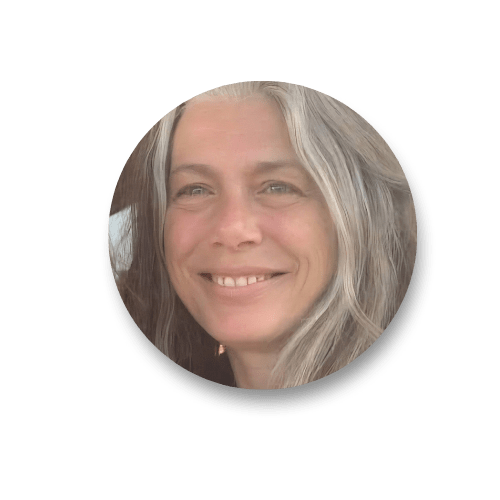
Kimm Kent
Panelist on “Bringing Civilian-Delivered Mobile Crisis Services to Nova Scotia”
Kimm Kent is the co-founder and director of Peer Outreach Support Services & Education (POSSE). Kimm has 30 years experience co-developing programs and projects with intersectional marginalized populations across the country. Kimm co-developed: Street Youth Job Action and A Hard Night Out in Vancouver; Peer Outreach Support Services & Education (POSSE) in Ontario, the Halton Hate and Bias Crime Task Force and Welcoming Diversity Day, Ontario; Work Education Employment Development (WEED) Project and Peer Outreach Support Services & Education (POSSE) in Nova Scotia. As a grassroots social community developer, and a survivor, Kimm works to meaningfully engage those most impacted in program development, valuing lived and living experience as expertise. Kimm is a passionate harm reduction and human rights advocate, dedicated to building capacity for community care.

Cameron Ketchum
Panelist on “Collaboration and Multi-Sectoral Approaches in Preventing Hate, Polarization, and Violent Extremism”
Cameron is the Director of Community Initiatives with United Way East Ontario, focusing on partnerships, investments, and advocacy around mental health and addictions, crisis response and recovery, gender-based violence, seniors and caregiver support, and strong neighbourhoods work focused on resident leadership, safety, and equity. Cameron also oversees the United for All initiative, which is a multi-partner effort devoted to addressing hate, polarization and fear in the East Ontario region.
Cameron has 20 years of experience in social justice, development, and crisis response work, both locally and internationally.

Jamie Livingston
Panelist on “Bringing Civilian-Delivered Mobile Crisis Services to Nova Scotia”
Jamie Livingston is an Associate Professor in the Department of Criminology at Saint Mary’s University in Halifax, Nova Scotia, Canada. He critically studies a range of issues at the intersection of the mental health, substance use, and criminal legal systems, with a specific focus on people’s experiences with stigma, criminalization, and recovery/ desistance processes. Dr. Livingston’s scholarship often calls attention to the harms created by carceral and coercive interventions that target people with mental health and substance use issues, including police-based crisis response services.
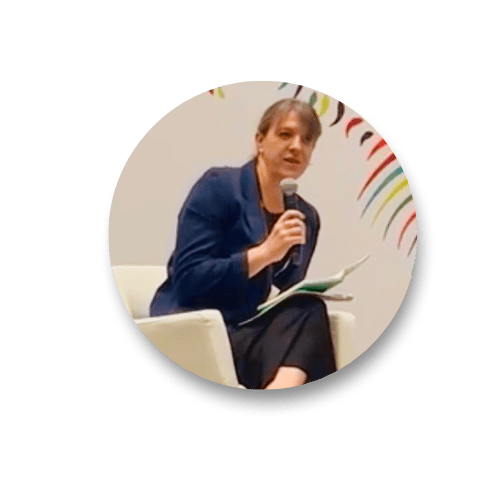
Rachel Locke
Panelist on “Global Perspectives on Community Safety & Well-Being Strategies”
Rachel Locke is co-founder and Acting Executive Director of Peace in Our Cities, a network of cities and organizations around the world working to reduce and prevent urban violence through knowledge production, policy influence, and peer exchange. In previous positions, Locke was Director of the Violence, Inequality and Power Lab (VIP Lab) at the University of San Diego’s Kroc Institute for Peace and Justice where she oversaw work exploring the way power inequalities shape the landscape of violence, including how the narratives and stories that are told about violence can create harmful policy responses. Locke also served as Head of Research and Program Director for violence prevention at the Pathfinders Program based at New York University’s Center on International Cooperation, and as International Director for the National Network for Safe Communities at John Jay College of Criminal Justice. Locke previously served as Senior Policy Adviser with the US Agency for International Development (USAID), where she developed agency-wide policies on issues concerning the prevention of conflict, violence, and fragility. Throughout her career, Locke has focused on building multidisciplinary, high-quality, goal-oriented collaborations to address harm and violence, while building a more peaceful world. Locke holds an MA in international affairs from Columbia University and has published widely on violence prevention, humanitarian aid, conflict, and transnational organized crime.
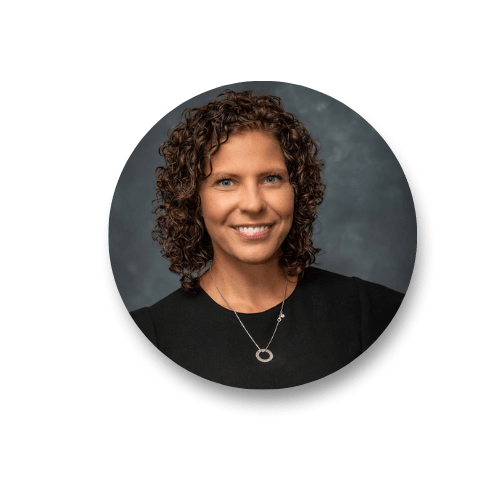
Connie Marciniuk
Panelist on “Neighbourhood-Based Approaches to Social Cohesion and Safety”
Connie Marciniuk is the Manager of Community Safety for the City of Edmonton where she oversees the operations of the Neighbourhood Empowerment Team (NET), a key partnership with the City of Edmonton, Edmonton Police Service and The Family Centre.
NET mobilizes a cross-sector network of partners, businesses, and residents to develop and implement strategies that reduce crime, victimization, and social disorder, directly contributing to a safer and more vibrant Edmonton.
While obtaining her education in Human Ecology from the University of Alberta Connie recognized the value of multidisciplinary and holistic approaches. Then when she started to work with NET in 2008 she found the opportunity to translate this learning and to use creative collaborative problem solving approaches to addressing the complex conditions which impact people’s safety. She now has the fortune of leading a team of passionate Community Safety Liaisons, each implementing unique projects intended to positively impact the safety of Edmontonians.
Inspired by her Human Ecology education (U of A), Connie recognized the value of holistic, multidisciplinary approaches. Since joining NET in 2008, she has leveraged this expertise to champion creative, collaborative problem-solving for complex safety challenges. She now leads a team of passionate Community Safety Liaisons who lead unique projects that enhance the safety and well-being of Edmontonians.

Erin McEachran
Speaker on “Project Upstream Presents: A Spotlight on Municipalities Strengthening Multi-Sectoral Partnerships to Prevent Extremist Violence in Canada“
Erin McEachran is the Community Safety & Well-Being Coordinator with the Municipality of Chatham-Kent, a rural community in Southwestern Ontario. Erin led the renewal of Chatham-Kent’s Community Safety and Well-Being Plan, working closely with partners across healthcare, law enforcement, emergency services, education, and the non-profit sector to strengthen local collaboration and improve outcomes for residents. She holds a Master of Science in Health Promotion from Western University, where her graduate research explored students’ perceptions of alcohol-related cancer risks, perceptions of alcohol warning labels, and the ethical duty to warn. Erin brings a thoughtful, evidence-informed approach to community safety work, grounded in public health principles and a commitment to equity.
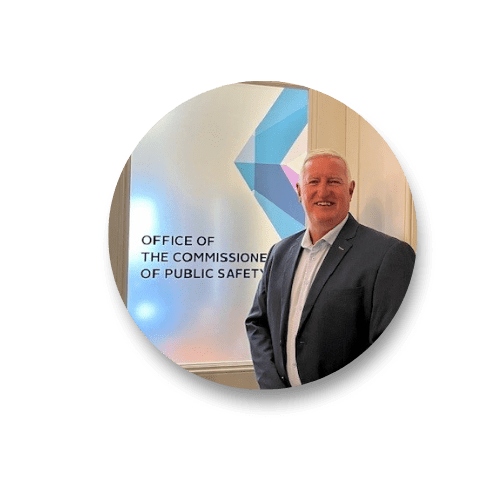
William (Bill) Moore
Panelist on “Spaces that Keep Us Safe: A Fireside Chat on Urban Design and Community Safety”
Bill Moore has a proven track record as a leader and change agent as a senior executive in the criminal justice system at the municipal, provincial, national, and international level with a reputation as a trusted and principled individual who believes in leading by example with the expectation that executives should be held to a high level of accountability. He has 30 + years of experience within policing as an officer, supervisor, Deputy Chief of Police (Halifax) and Executive Director of the Canadian Association of Chiefs of Police (CACP), Executive Director of Community Safety and is presently the Commissioner of Public Safety or the Halifax Regional Municipality.
Bill continues to be a consistent high performer with deep understanding and experience in human resources, strategic planning, facilitation, change management, mental health, organizational design, technology, community response and applied police research.
He holds a Master of Studies in Applied Criminology and Police Management (MSt. Cantab) from Cambridge University in the UK, a Bachelor of Science in Psychology from Dalhousie University, is a graduate of the FBI National Academy in Quantico, Virginia and the Institute of Strategic International Studies Program of the CACP. He also holds a Masters Certificate in Project Management from Saint Mary’s University, and two Certificates from The Wharton School of Business at the University of Pennsylvania.
Bill received the Queen Elizabeth II Diamond Jubilee Medal in 2012, was invested in the Order of Merit of Police Forces as an Officer in 2013, named as a Fellow of the Royal Canadian Geographical Society in 2014 and was the 2024 Canadian Association of Police Governance Partnership and Leadership Award recipient.
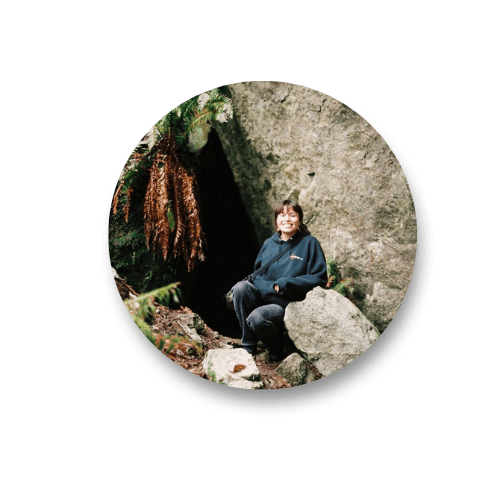
Kristin Mowatt
Panelist on “Project Upstream Presents: A Spotlight on Municipalities Strengthening Multi-Sectoral Partnerships to Prevent Extremist Violence in Canada“
Kristin Mowatt is Swampy Cree from Norway House Cree Nation. Kristin obtained her Bachelor of Kinesiology from the University of British Columbia, as well as a minor in Indigenous Studies. She is now working in her home community as a community safety coordinator for the Community Policing and Safety Division.
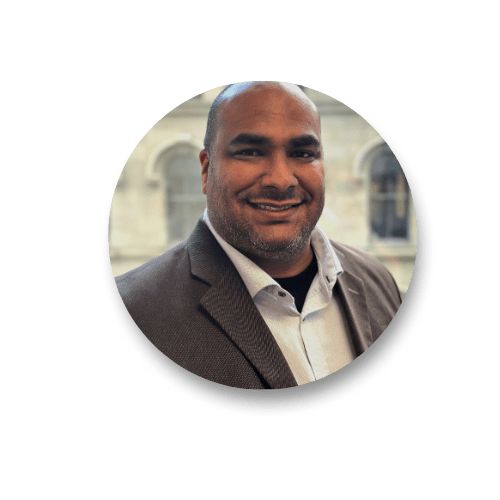
Gavin Naime
Panelist on “Provincial Approaches to Supporting Local Community Safety and Well-Being Efforts“
Gavin Naime was born in Barbados and immigrated to Nova Scotia in the early 1990s, where he grew up in the charming town of Annapolis Royal. He pursued higher education at Dalhousie University before embarking on a career with the Royal Canadian Mounted Police (RCMP).
After his tenure with the RCMP, Gavin transitioned to a role within the government of Nova Scotia, specifically in the Department of Justice’s Public Safety and Security Division. Over nearly two decades, he has dedicated himself to public service, demonstrating a steadfast commitment to the safety and well-being of the community.
Currently, Gavin serves as the manager of Crime Prevention. In this role, he focuses on implementing and supporting a Community Safety and Wellbeing Approach to Crime Prevention throughout the province. His efforts aim to foster safer communities and enhance the quality of life for all residents of Nova Scotia.

Sabrina Paillé
Support on “Monitoring & Evaluation in Community and Urban Safety”
Sabrina joined the Canadian Centre for Safer Communities in 2025 as a researcher and evaluator, where she supports evaluation activities for the UPSTREAM project—a national initiative to strengthen multisectoral collaboration at the local level to prevent hate, social polarization, and violent extremism. She holds a master’s degree in sociology from UQAM and has pursued doctoral studies at York University. Her academic interests have included sociological theory and the history of ideas, political sociology, nationalism and ethnicity, and the study of social movements.
Sabrina has experience in both academic and community settings and has studied and conducted research in various parts of Canada and Europe, including Montreal, Toronto, Germany, and Hungary. Prior to joining the Centre, she worked with the Canadian Practitioners Network for the Prevention of Extremist Violence (CPN-PREV) and the UNESCO-PREV Chair at the University of Sherbrooke, contributing to research, program evaluation, and capacity-building in the field of preventing and countering violent extremism (P/CVE).
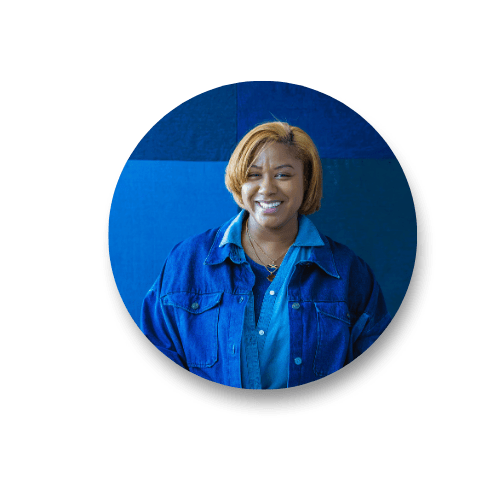
LaMeia Reddick
Panelist on “Our Safety, Our Way”
LaMeia is a lifelong learner, educator, and community leader with a repertoire of work across sectors. She has developed an interdisciplinary skill set and built meaningful connections rooted in liberation and freedom in practice. Trained as a sociologist, she brings a people-centered approach to designing spaces, initiatives, and projects that nurture authentic human connection and community growth.
Her journey began in North Preston, home to Canada’s largest Afro-Indigenous community, where she rose as a youth voice serving on provincial education councils and contributed to Nova Scotia’s Child and Youth Strategy, a cross-government initiative focused on improving outcomes for children and families through prevention, early intervention, and youth engagement. She later founded Blxckhouse Life Studio, which gave rise to North Preston Surf Program.
Guided by dreams of a more connected humanity, she embodies collaboration, builds with intention, and shares stories that spark perspective and deepen understanding.

Amy Siciliano
Panelist on “Bringing Civilian-Delivered Mobile Crisis Services to Nova Scotia”
Amy Siciliano is the Public Safety Advisor for Halifax Regional Municipality. In this role, Amy leads the municipality in its journey toward holistic, collaborative approaches to community safety. She brings a human-rights lens to her work, rooted in principals of accountability, inclusion, and social and economic equity. She is passionate about championing community-led solutions to local problems and finding creative ways to harness the inherent strengths of community. With a PhD in Urban Geography, she is well skilled at synthesizing local experiential knowledge with scientific research to bring a robust evidence-base to decision-making. She is also Adjunct Professor at Saint Mary’s University, and Research Consultant for the City of Thunder Bay’s Anti-Racism and Respect Advisory.

Celeste Trianon
Panelist on “Spaces that Keep Us Safe: A Fireside Chat on Urban Design and Community Safety “
I tackle anti-trans hate primarily through public education, in particular public legal education, seeking to keep trans people aware of their surroundings and ensuring that they are aware of dominant threats. Too many people do not understand how the anti-trans movement has managed to gain so much steam in the last five years; it is through approaches such as scientific laundering (the creation of fake science) and rhetorical excuses rooted in prejudice. My work primarily consists of dissecting how hate works, as well as its consequences (in particular in the legal sphere), so that trans people can know the threats around them, and that cisgender (non-trans) people don’t fall for the trap of anti-trans radicalisation.
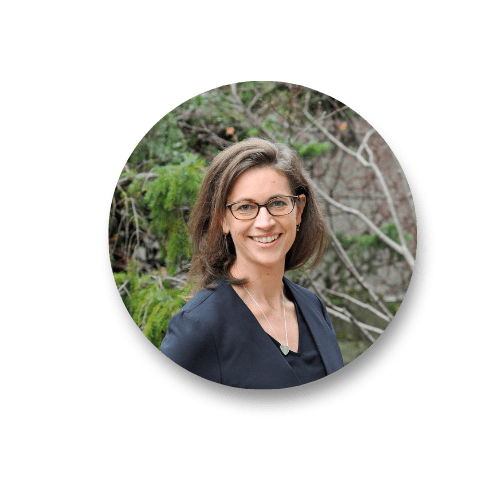
Erin Welk
Panelist on “Inclusive People- Based Safety in Public Spaces”
Erin specializes in supporting the emergence and delivery of social impact strategy, policy and programming with government, social serving and corporate sectors. She combines a deep understanding of intersectional and complex social challenges, strategic business acumen, and facilitation. This unique skill set allows Erin to work effectively to create alignment, understanding and actionable strategy for complex, multi-jurisdictional challenges related to housing and community development, health, and justice. Her approach supports achieving clarity around roles and responsibilities, collaborative action, and funding alignment.
Erin draws on 18 years of facilitation and collaboration expertise, aiming for a fine balance between facilitating group trust and moving from talk to action. She is a Certified Management Consultant (CMC) and holds an executive leadership certificate from Oxford UK, the International Association of Public Participation (IAP2), and is a PROSCI-certified change management practitioner.
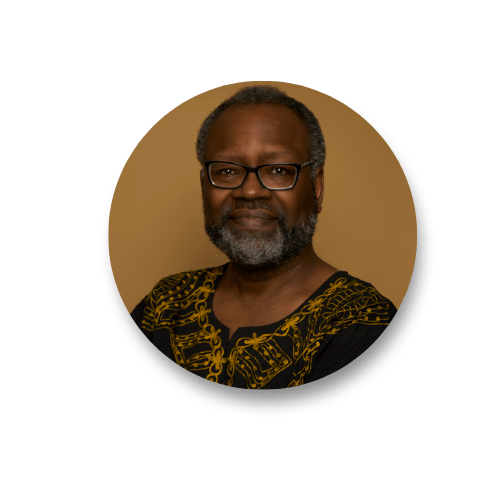
Robert S. Wright
Keynote
Robert Seymour Wright is a queer, African Nova Scotian Social Worker and Sociologist whose 36 year career has spanned the fields of education, child welfare, forensic mental health, trauma, sexual violence, and cultural competence. He served as the founding Executive Director of both the Peoples’ Counselling Clinic and the African Nova Scotian Justice Institute and continues at the Peoples’ Counselling Clinic as Director Emeritus, Consultant and Therapist. Robert as recently appointed as a full-time, tenure track assistant professor at Saint Mary’s University Department of Criminology. Robert’s identity and work are grounded in his integrated and activist spirituality.
Robert was an early practitioner of what has come to be known as Equity, Diversity and Inclusion work and developed a model for understanding and practicing Cultural Competence that continues to be a useful framework for the many practitioners and organizations that have used it.
He pioneered the introduction of Impact of Race and Culture Assessments (IRCAs): A specialized, forensic, clinical presentence report for people of African descent. This latter work has received national attention. In August of 2021 the Government of Canada funded him to expand the implementation of IRCAs nationally.
Robert is the father of two grown children and the uncle of so many. He was orphaned in January 2023 when the last of his caregivers passed. Robert cared for his mother and godparents and facilitated them each passing peacefully at home in their own beds from 2020 through 2023.

Caycee Zimmerman
Facilitator on “Interactive Breakout Room on CSWB Planning & Implementation Troubleshooting”
Caycee Zimmerman serves as a Community Safety Advisor for the City of Kelowna, where she leads efforts dedicated to enhancing the safety and well-being of both residents and visitors. As the Secretariat and project lead for Kelowna’s Community Safety Plan, Caycee draws on her diverse background to bring a flexible and holistic perspective to her work.
Her passion for community safety was ignited through volunteer service as an Auxiliary RCMP Constable, an experience that ultimately guided her into the field of local government. Although she did not follow the traditional path to municipal service, Caycee’s volunteering and her commitment to making a positive impact have proven invaluable in her role. Through her leadership and innovative approach, she continues to champion programs and initiatives that foster a safer, more connected community.